I believe in an infinite volume of space characterised by vacuum energy, where an infinite number of universes can spring into existence, and matter can rise from seemingly „nothing” rooted in symmetry-breaking quantum fluctuations.
„Our” universe was born by the collapse of vacuum energy. The future of the universe is reduced to the evaporation of matter, leaving behind only vacuum energy. It is like a perpetual cycle: everything appeared from nothing, and becomes nothing. If the empty volume necessary for a Bang is optimal (and there is no matter), a new Bang could take place (strictly if the respective region in space is devoid of matter). The empty volume necessary for a Bang is also conditioned by the proximity of parallel universes, which by expansion can cancel the space necessary for a Bang. Due to vacuum energy, quantum fluctuations and symmetry breaking can occur at the micro level, states that can become quite energetic, thus resulting in the appearance of matter. For this reason, there is also matter in the universe, not just energy.
You can’t „trick” the infinite universe, but keep in mind the uniqueness of „you” here and now, cause for sure you are not going to exist in this same spatial and temporal coordinates ever. I mean this is what comes to my mind right now, but I could be wrong?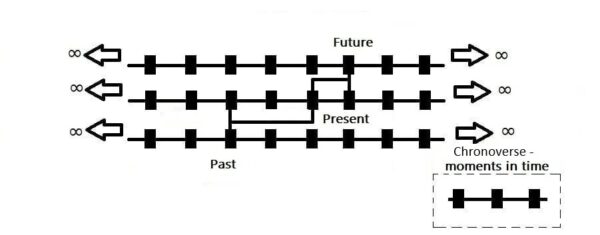 I don’t think that spacetime is expanding. I think distances become bigger due to the rotation of the universe, where the centrifugal force is pushing everything outward. In space there is no friction. This also explains why the universe is flat (it is aligning everything on the same plane). The universe is also expanding because of the inertia stemming right from the Big Bang. I think that at a specific moment the centrifugal force will be balanced by the gravity of the universe, becoming stable and rotating locally., unless „disturbed” by the gravity of a nearby universe.
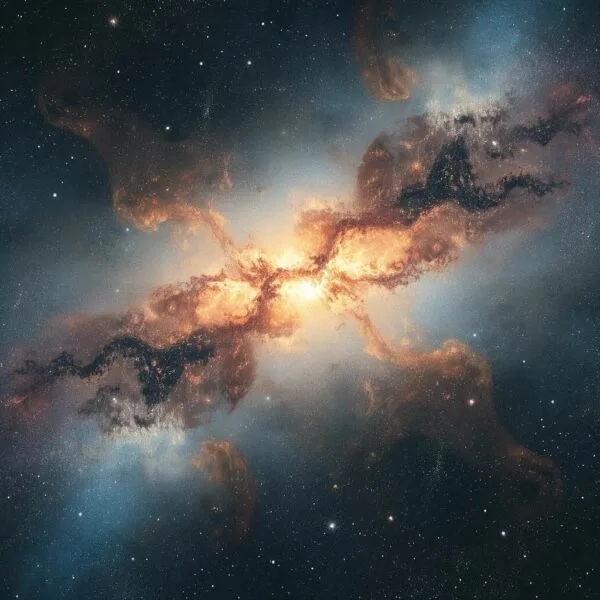
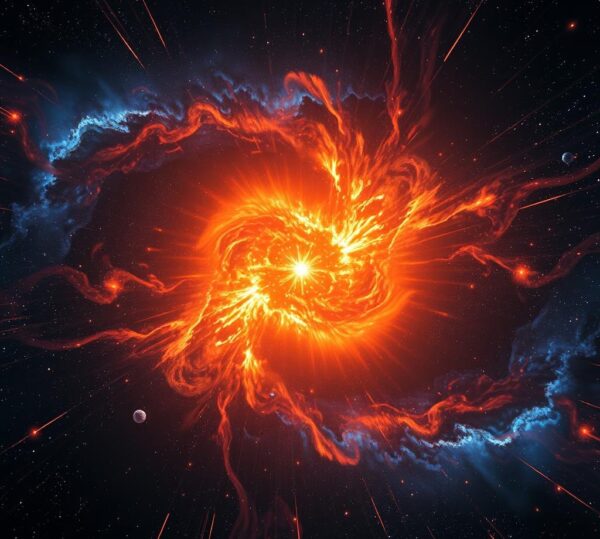
Rotation is what keeps the universe together, from particles to star systems, galaxies, and even the entire universe.
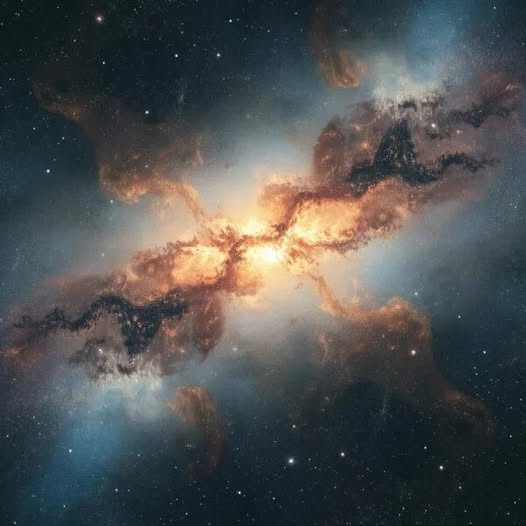
Future of the Universe: the centrifugal force (due to rotation) will eventually balance out with gravity and rotate forever, until „disturbed” by merging with a nearby universe. Although I think all universes will keep rotating „locally”, they are not moving around, unless influenced by a nearby universe’s gravity.
You can never reach the edge of our Universe, because it is expanding faster than the speed of light.
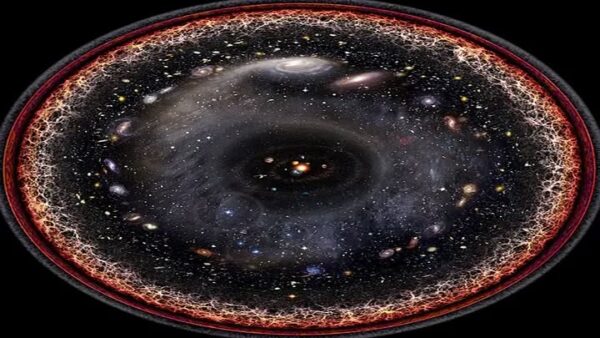
Even if the universe is infinite, there will be fewer and fewer stars on the night sky, because the universe is expanding faster than the speed of light, so the light won’t catch up with the drifting of stars. The only way there will be more stars is if our universe were to merge with another nearby universe.
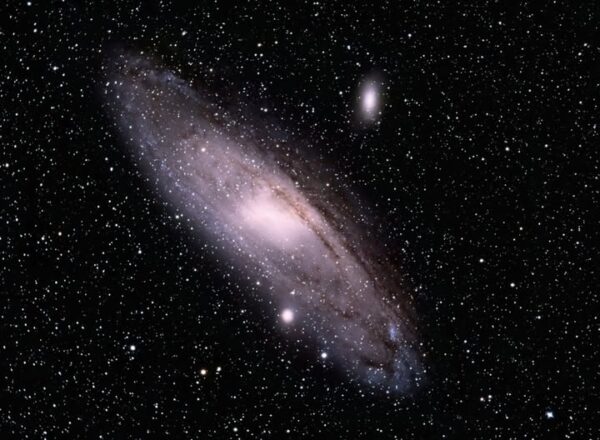
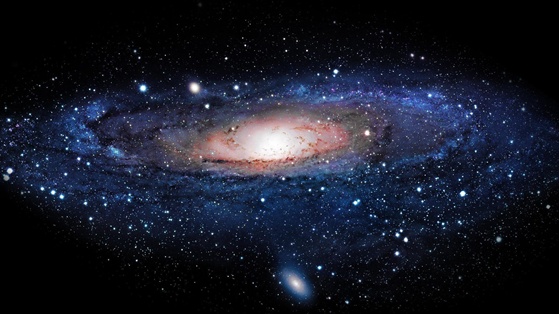
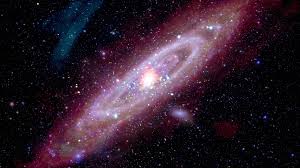
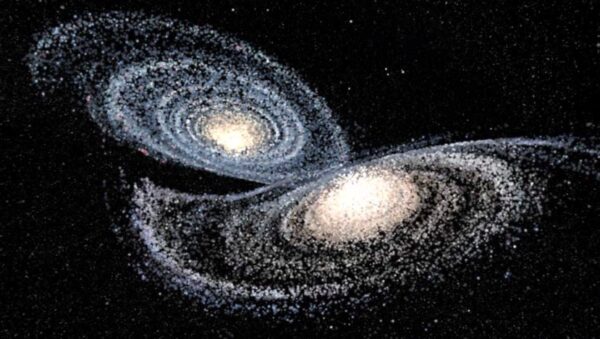
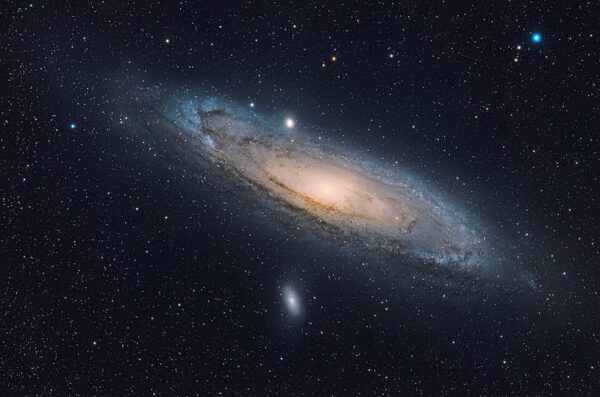
Note: most of the stars we see are within our Milky Way Galaxy. They say that our Galaxy will merge with Andromeda Galaxy, so there will be indeed more stars, but on the long term, there will be fewer stars.
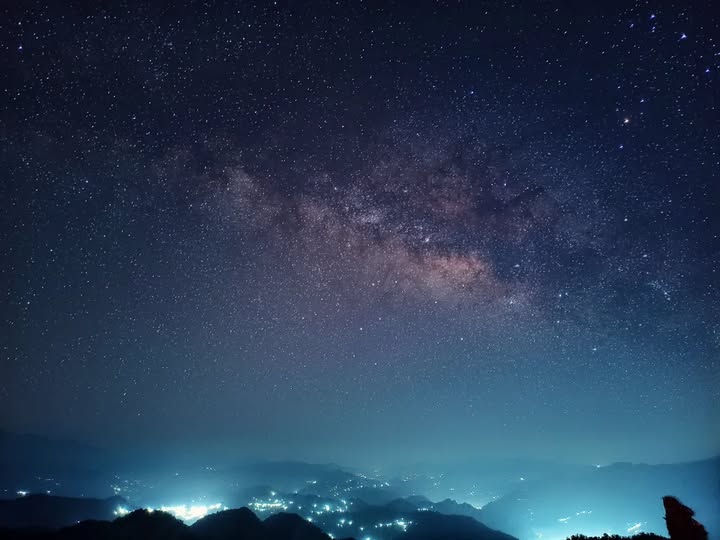
Even if the universe is infinite, life is finite, and we will all „experience” death on a personal level. It is a certainty we are all aware of, yet we waste it on hatred. It doesn’t make sense. I would understand this paradox (to a certain degree) if we were immortal, but so far, it is impossible to reverse the process of aging.

You can never stay still in a single point in space; you are always moving, due to inertia and gravity.
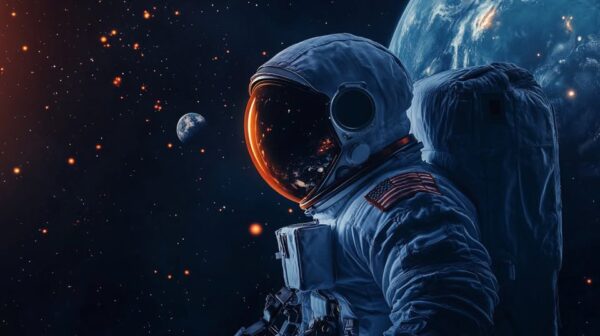
If you think you „tricked” the universe by spontaneously doing something random, in an infinite universe there an infinite versions of you doing the exact same thing.
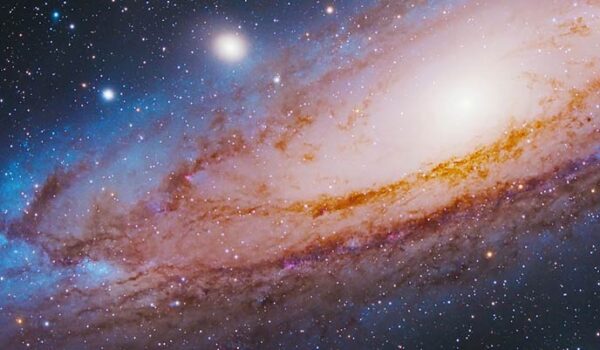
In an infinite universe, you could meet yourself.

If you were to travel from Andromeda to the Milky Way slightly below the speed of light and look towards Earth, you would witness the entire history of planet Earth in „fast forward” (centuries in minutes), due to time dilation.
The universe represents a „cosmic dance” between gravity and inertia – due to the impulse stemming from the Big Bang and the rotation of the universe, which comes with a centrifugal force, both driving expansion by default (there is no need for a „mysterious dark energy”).
If you were to „step out” of the universe, you would see its entire timeline (chronoverse), both future and past. Maybe existence is predetermined? I mean, for a specific reality? If the universe is truly infinite, predetermination loses its sense; not just identical realities would exist, but all other alternative realities as well (all outcomes and possibilities are infinite as well in this regard, although I think they repeat themselves too).